Advanced Recovery Peptide in Modern Regenerative Research
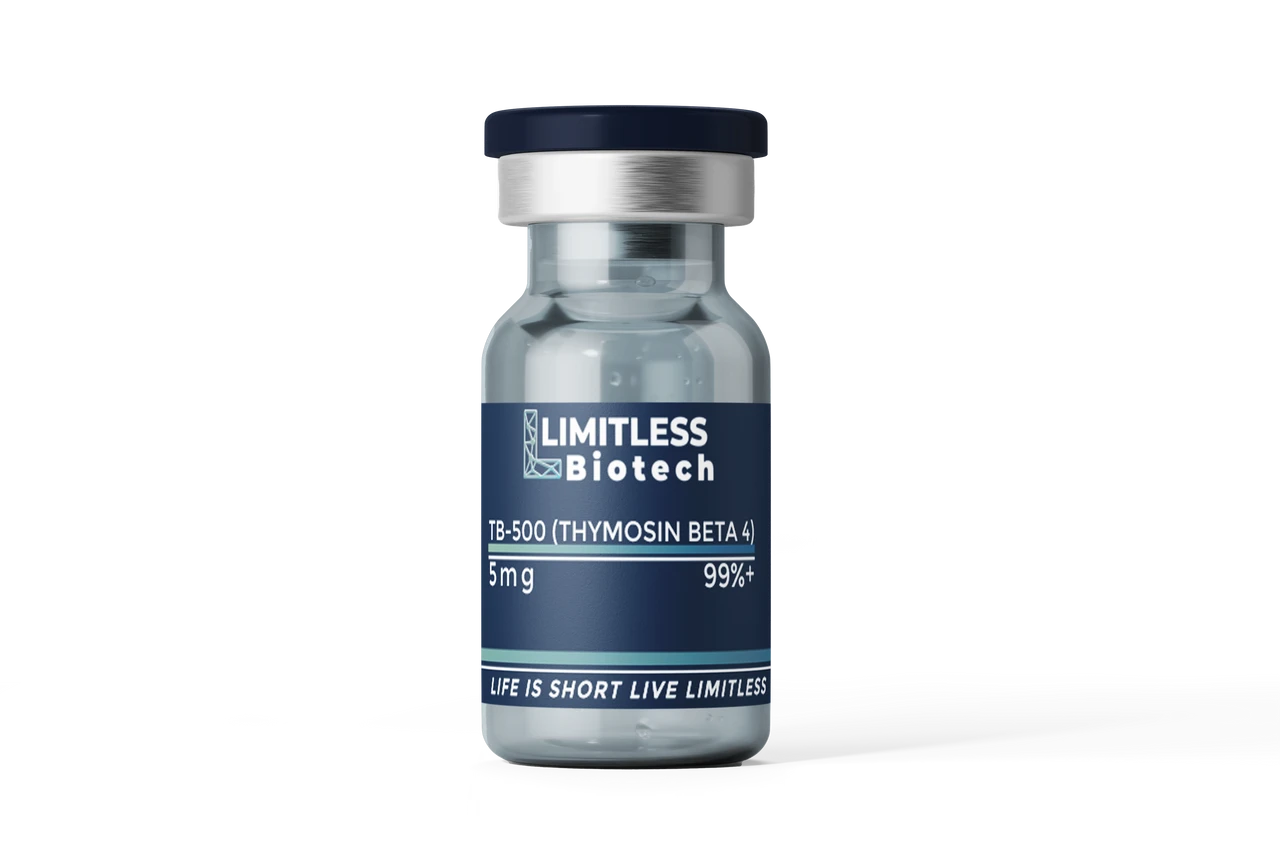
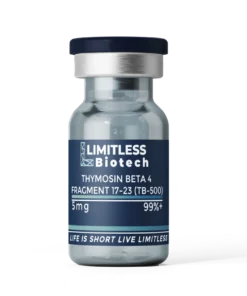
TB-500 (Thymosin Beta-4) is one of the most recognised peptides in regenerative biology and recovery-focused scientific research. Known for its association with cellular migration, tissue maintenance, and biological repair pathways, TB-500 continues attracting strong attention in modern peptide science and wellness-focused studies.
As regenerative research continues expanding, scientists are increasingly focused on peptides associated with tissue adaptation and biological resilience. TB-500 (Thymosin Beta-4) has become highly relevant in laboratory investigations involving recovery science, cellular signalling, and regenerative pathways.
Researchers continue studying TB-500 because of its connection to cellular communication systems and structural maintenance mechanisms. Its growing recognition in peptide science has made it one of the most discussed compounds in advanced regenerative biology research.
What Is TB-500 (Thymosin Beta-4)?
TB-500 is a synthetic version of Thymosin Beta-4, a naturally occurring peptide found in various tissues throughout the body. Researchers commonly study it because of its association with cellular movement, tissue maintenance, and regenerative biological pathways.
TB-500 (Thymosin Beta-4) is commonly associated with:
- Tissue recovery research
- Cellular migration studies
- Regenerative biology investigations
- Biological signalling analysis
- Wellness and recovery science
Its role in cellular communication and tissue-related pathways makes it highly important in modern peptide research.
Strong Regenerative Biology Relevance
TB-500 is frequently associated with recovery-focused and tissue-related research.
Cellular Migration Research Interest
Researchers commonly explore its connection to cellular movement pathways.
Growing Popularity in Wellness Science
Recovery-focused peptide research continues to gain scientific attention.
Broad Biological Research Applications
The peptide is studied across multiple areas of regenerative science.
Naturally Associated Biological Functions
Thymosin Beta-4 naturally occurs in the body, increasing its research significance.
Why Researchers Study TB-500
Researchers continue exploring regenerative peptides because biological recovery systems are central to cellular performance and structural maintenance.
Tissue Recovery Research
Scientists investigate pathways involved in biological repair and maintenance systems.
Cellular Communication Studies
TB-500 is associated with signalling mechanisms within biological systems.
Cellular Migration Analysis
Researchers examine how cells respond and adapt during recovery-related processes.
Wellness and Recovery Science
The peptide is increasingly discussed in wellness-focused biological investigations.
Advanced Regenerative Biology Research
TB-500 remains highly important in modern peptide science.
Biological Functions Associated With TB-500 (Thymosin Beta-4)
Cellular Movement Pathways
TB-500 is linked to research involving cellular migration and structural adaptation.
Tissue Maintenance Research
Researchers commonly explore its role in biological support systems.
Biological Communication Systems
The peptide is associated with signalling pathways involved in recovery-focused biology.
Recovery and Adaptation Studies
Scientists continue examining its connection to regenerative biological processes.
Wellness and Longevity Interest
TB-500 remains relevant in advanced wellness and peptide research discussions.
Potential Research Applications of TB-500
Regenerative Biology Studies
Researchers investigate TB-500 in tissue recovery and maintenance-related research models.
Cellular Migration Research
The peptide is associated with studies focused on cellular movement pathways.
Biological Signalling Analysis
Scientists examine how peptides regulate communication within cells.
Wellness and Recovery Science
TB-500 continues attracting interest in biological optimisation research.
Advanced Peptide Science Exploration
It remains one of the leading peptides in regenerative biological studies.
Benefits of TB-500 in Research Contexts
Strong Scientific Recognition
TB-500 is widely recognised in regenerative and peptide science communities.
Broad Research Relevance
It is associated with tissue maintenance, cellular signalling, and recovery pathways.
Growing Popularity in Recovery Science
Regenerative peptide research continues expanding globally.
Important in Cellular Research
Researchers continue exploring its role in biological adaptation systems.
Naturally Occurring Biological Relevance
Thymosin Beta-4 naturally exists in the body, supporting its scientific importance.
How TB-500 (Thymosin Beta-4) Fits Into Modern Peptide Science
Modern peptide science increasingly focuses on understanding how peptides regulate communication, adaptation, and biological resilience. TB-500 remains central to this exploration because of its association with tissue maintenance and cellular migration pathways.
TB-500 is commonly associated with:
- Cellular recovery studies
- Regenerative biology research
- Tissue maintenance investigations
- Biological signalling analysis
- Wellness optimisation science
As peptide science continues evolving, regenerative peptides remain highly important in modern biological research.
Importance of Regenerative and Cellular Research
Researchers continue studying biological recovery systems because they influence:
- Tissue maintenance
- Cellular resilience
- Structural adaptation
- Biological communication
- Recovery-related pathways
Peptides associated with these systems remain central to modern regenerative biology and wellness science.
Storage Guidelines for TB-500
Proper storage helps maintain peptide consistency and stability in research environments.
Recommended Storage Conditions
- Store in a cool and dry place
- Protect from direct sunlight
- Avoid excessive heat and moisture
- Ensure containers remain tightly sealed
Laboratory Handling Recommendations
Researchers should follow standard peptide handling and storage procedures for consistency and product integrity.
The Future of TB-500 (Thymosin Beta-4) Research
Regenerative biology and recovery-focused peptide science continue advancing rapidly. Researchers are increasingly interested in understanding how peptides support biological adaptation and cellular resilience.
Future research areas include:
- Advanced tissue recovery studies
- Cellular migration analysis
- Biological signalling investigations
- Wellness optimisation science
- Recovery-focused peptide development
TB-500 Thymosin is expected to remain highly important in these growing scientific fields.
Frequently Asked Questions About TB-500 (Thymosin Beta-4)
1. What is TB-500 Thymosin?
TB-500 is a synthetic version of Thymosin Beta-4, a peptide associated with regenerative biology research.
2. Why is TB-500 studied?
Researchers study it for tissue maintenance and cellular migration investigations.
3. What is Thymosin Beta-4?
It is a naturally occurring peptide found in various tissues throughout the body.
4. What fields use TB-500 in research?
It is studied in regenerative biology, wellness science, and peptide research.
5. Why is cellular migration important in research?
Because cellular movement plays a role in biological adaptation and maintenance systems.
6. Is TB-500 associated with recovery-focused research?
Yes. It is commonly connected to tissue recovery and regenerative biology studies.
7. Why is regenerative biology important?
Because biological repair systems influence resilience and overall cellular performance.
8. How should TB-500 be stored?
Store it in a cool, dry place away from heat, moisture, and direct light.
9. Is TB-500 widely recognised in peptide science?
Yes. It remains one of the leading peptides in regenerative research.
10. Why is peptide science growing rapidly?
Because peptides influence communication and regulation throughout biological systems.
TB-500 Thymosin remains one of the most important peptides in regenerative and recovery-focused biological research. Its association with cellular migration, tissue maintenance, and biological resilience makes it highly relevant in modern peptide science.
As regenerative biology and peptide research continue evolving, TB-500 remains central to studies exploring cellular recovery, biological adaptation, and wellness optimisation. Its strong scientific relevance ensures continued interest in future regenerative and peptide-focused research.
| Weight | 5mg, 10mg |
|---|---|
| Grade | Non-Lyophilized, Premium |
1 review for TB-500 (Thymosin Beta-4)
Add a review
Related products
Gastrointestinal Research
Bioregulators
Peptide Capsules
Healing and Repair Research Blend (BPC-157, TB4 Frag 1-4, GHK-Cu)
Hormonal Research
Cardiovascular Research
Musculoskeletal Research
Peptides
Hormonal Research
Nina Sindy –
I was nervous about ordering online, but everything was seamless. The product was exactly as described, shipping was discreet, and the quality is clearly high. My results have been fantastic.