Advanced Research Peptide for Modern Cosmetic and Skin Studies
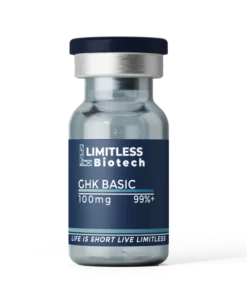
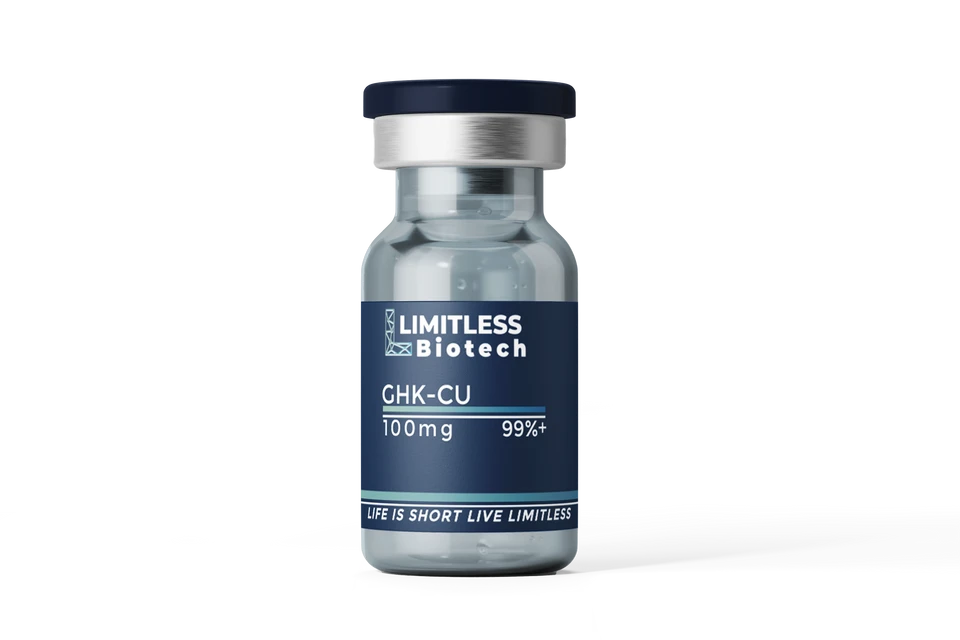
GHK-Cu (Copper Peptide) is one of the most recognised peptides in cosmetic and peptide research. Known for its connection to skin-related studies and regenerative research, GHK-Cu has gained strong popularity among researchers and laboratories worldwide. This peptide combines a naturally occurring tripeptide with copper ions, creating a compound that is widely explored in advanced cosmetic science and peptide-related investigations.
Researchers continue to study GHK-Cu (Copper Peptide) because of its role in skin appearance research, collagen-related investigations, and cellular studies. Its growing popularity in modern peptide science has made it a leading compound in cosmetic research environments.
Whether used in peptide studies, skincare investigations, or laboratory analysis, GHK-Cu (Copper Peptide) remains a trusted option for professionals looking for high-quality peptide compounds.
What Is GHK-Cu (Copper Peptide)?
GHK-Cu (Copper Peptide) is a copper-binding peptide naturally found in the human body. It is composed of three amino acids linked with a copper ion. Researchers have studied this peptide extensively for its biological activity and potential role in cosmetic and skin-related science.
The peptide is often associated with research involving:
- Skin appearance
- Collagen pathways
- Cellular activity
- Cosmetic formulations
- Tissue-related investigations
Due to its versatility and scientific interest, GHK-Cu (Copper Peptide) has become one of the most discussed compounds in peptide research.
Key Features of GHK-Cu (Copper Peptide)
High-Quality Research Peptide
GHK-Cu (Copper Peptide) is valued for its quality and consistency in laboratory environments. High-purity peptide compounds are essential for accurate and repeatable research outcomes.
Widely Used in Cosmetic Research
Researchers frequently explore GHK-Cu peptides in cosmetic science and advanced skincare studies. The compound is often associated with skin-supporting investigations and anti-ageing research models.
Stable Laboratory Compound
Under proper storage conditions, GHK-Cu (Copper Peptide) maintains strong stability for research handling and laboratory use.
Versatile Research Applications
The peptide can be used in multiple areas of peptide science, including cosmetic development, skin research, and peptide interaction studies.
Professional Research Standards
Laboratories often select peptide compounds that meet professional handling and packaging standards. GHK-Cu is recognised for maintaining research-grade quality.
Why Researchers Choose GHK-Cu (Copper Peptide)
Peptide science has become a major focus in cosmetic and biological research. GHK-Cu continues to attract attention because of its broad research potential and popularity in peptide studies.
Strong Interest in Skin Research
Researchers frequently study GHK-Cu for its relationship to skin-related pathways and cosmetic science investigations.
Growing Role in Anti-Ageing Studies
Peptides continue to play a major role in anti-ageing laboratory models. GHK-Cu peptides are among the most recognised compounds in this field.
Reliable Research Handling
Researchers prefer peptide compounds that are stable, easy to handle, and suitable for laboratory procedures. GHK-Cu meets many of these research expectations.
Potential Research Areas for GHK-Cu
Cosmetic Science Studies
GHK-Cu peptides are commonly explored in cosmetic and skincare research focused on improving product innovation and ingredient performance.
Skin Appearance Research
Many laboratories investigate peptide interactions related to skin texture, elasticity, and collagen-supporting pathways.
Cellular Research Models
Researchers continue to study peptide compounds in relation to cellular communication and tissue-related investigations.
Collagen-Related Investigations
GHK-Cu is frequently associated with studies involving collagen and extracellular matrix pathways.
Peptide Stability Research
Laboratories may also evaluate the peptide for handling consistency and stability under controlled conditions.
Benefits of GHK-Cu (Copper Peptide)
Popular in Peptide Research
GHK-Cu peptides remain among the most recognised compounds in cosmetic and peptide science.
High Research Demand
The increasing popularity of peptide innovation has contributed to strong demand for GHK-Cu research compounds.
Flexible Laboratory Applications
Researchers can use GHK-Cu in multiple peptide-related investigations and cosmetic science studies.
Reliable Quality Standards
Quality and consistency are important in peptide research. Researchers often choose compounds that meet high laboratory standards.
Advanced Cosmetic Interest
GHK-Cu continues to receive attention in skincare-related science because of its widespread use in cosmetic research environments.
Proper Storage Guidelines for GHK-Cu (Copper Peptide)
Maintaining proper storage conditions is essential for preserving peptide quality and stability.
Recommended Storage Conditions
- Store in a cool, dry location
- Protect from heat and sunlight
- Keep sealed when not in use
- Follow professional laboratory handling procedures
Refrigeration Recommendations
Many laboratories prefer refrigerated storage to help maintain peptide integrity during long-term handling.
Avoid Moisture Exposure
Moisture may affect peptide consistency and handling quality. Always use proper storage containers and procedures.
How GHK-Cu (Copper Peptide) Fits Into Modern Peptide Science
The peptide industry continues to expand rapidly. Researchers and cosmetic laboratories are constantly exploring compounds that support advanced scientific understanding and cosmetic innovation.
GHK-Cu fits into several growing research categories, including:
- Cosmetic science
- Skin-related studies
- Cellular investigations
- Peptide interaction analysis
- Anti-ageing laboratory research
The peptide remains highly relevant because of its broad applications and increasing popularity in scientific communities.
The Growing Popularity of Copper Peptides
Copper peptides have become widely recognised in skincare and peptide science. Researchers continue to investigate their role in cosmetic formulations and biological research environments.
Several factors contribute to the rising demand for GHK-Cu:
- Increased interest in peptide science
- Expanding cosmetic research
- Growing anti-aging studies
- Advanced laboratory investigations
- Innovation in skincare technology
As peptide research evolves, GHK-Cu peptides continue to remain important compounds in cosmetic and scientific exploration.
Frequently Asked Questions About GHK-Cu (Copper Peptide)
1. What is GHK-Cu (Copper Peptide)?
GHK-Cu is a copper-binding peptide widely studied in cosmetic, peptide, and skin-related research.
2. What is GHK-Cu used for?
Researchers commonly use it in cosmetic science, collagen-related studies, and peptide investigations.
3. Why is GHK-Cu popular in skincare research?
The peptide is often associated with studies involving skin appearance and anti-ageing research models.
4. How should GHK-Cu be stored?
It should be stored in a cool, dry environment away from heat, moisture, and direct sunlight.
5. What are copper peptides?
Copper peptides are peptide compounds linked with copper ions and studied in cosmetic and biological research.
6. Is GHK-Cu suitable for laboratory research?
Yes. It is commonly used in professional peptide and cosmetic research settings.
7. Why is peptide purity important?
High purity helps researchers achieve more accurate and consistent laboratory outcomes.
8. Is GHK-Cu widely recognised in peptide science?
Yes. It is one of the most recognised peptides in cosmetic and skincare-related research.
9. Can GHK-Cu be studied in anti-ageing research?
Researchers frequently investigate copper peptides in anti-ageing and skin-related laboratory models.
10. What makes GHK-Cu unique?
Its combination of peptide structure and copper ion interaction makes it highly interesting for cosmetic and peptide research.
Final Thoughts on GHK-Cu (Copper Peptide)
GHK-Cu continues to stand out as one of the most important compounds in cosmetic and peptide research. Its widespread recognition in skin-related studies, collagen investigations, and peptide science has made it a trusted option among researchers worldwide.
As scientific interest in peptides continues to grow, GHK-Cu remains highly relevant in modern laboratory and cosmetic research environments. Researchers value its versatility, stability, and broad research applications across multiple scientific fields.
With increasing attention on skincare innovation and peptide science, GHK-Cu is expected to remain a leading compound in advanced cosmetic and peptide-related investigations.


Grill Adams –
Excellent support whenever I had questions.