
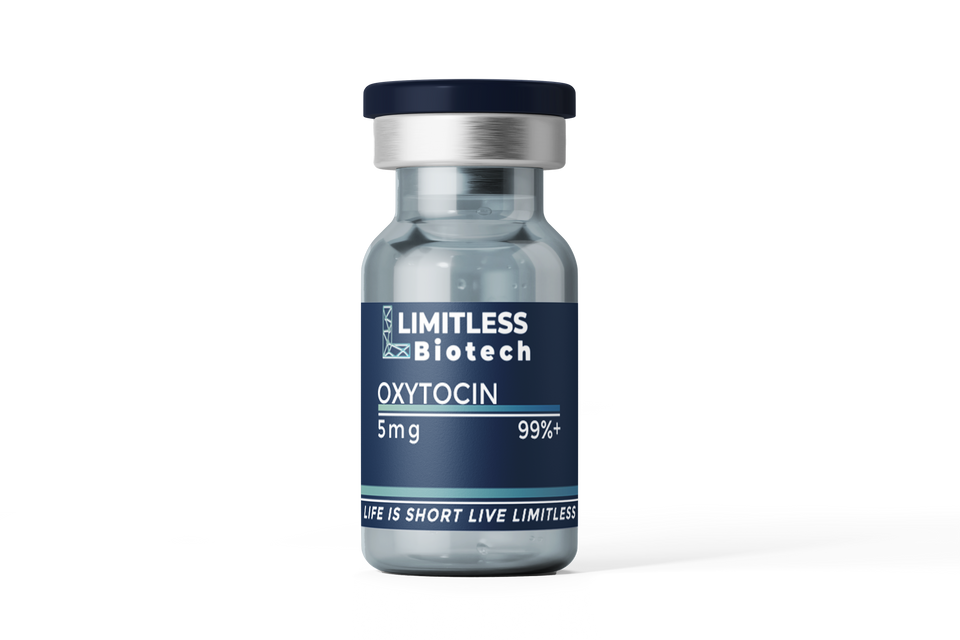


Advanced Peptide Research in Hormonal and Social Behaviour Studies
Oxytocin is one of the most recognised peptides in modern biological and neurological research. Often referred to as the “bonding hormone” in scientific discussions, Oxytocin is a naturally occurring neuropeptide and hormone involved in a wide range of physiological and behavioural processes. Buy Oxytocin Online
Researchers continue to study Oxytocin because of its connection to social interaction, emotional signalling, stress response pathways, and endocrine system regulation. Its broad biological influence has made it an important subject in neuroscience, psychology, endocrinology, and peptide science.
As peptide research continues to grow, Oxytocin remains highly relevant in studies involving hormonal communication, neurological signalling, and human behaviour models. Buy Oxytocin Online
What Is Oxytocin?
Oxytocin is a naturally occurring peptide hormone and neuropeptide produced primarily in the hypothalamus and released by the pituitary gland. It plays a role in several biological and neurological processes in the human body.
In scientific research, Oxytocin is commonly studied for its involvement in:
- Social behaviour and bonding
- Emotional signalling pathways
- Stress response regulation
- Hormonal communication systems
- Neurological and endocrine research
Because of its broad influence across multiple systems, Oxytocin is one of the most researched peptides in behavioural and hormonal science.
Key Features of Oxytocin
Naturally Produced Peptide Hormone
Oxytocin is naturally synthesised in the body and functions as both a hormone and a neuropeptide.
Strong Neurological Relevance
It is closely linked to brain signalling and emotional processing pathways.
Important in Social Behaviour Studies
Researchers frequently study Oxytocin in models involving social interaction and behavioural communication.
Broad Biological Activity
Oxytocin influences both neurological and physiological systems.
High Scientific Interest
It remains a major focus in neuroscience, endocrinology, and peptide science.
Why Researchers Study Oxytocin
Oxytocin has become one of the most important compounds in modern behavioural and hormonal research because of its role in communication between the brain and body.
Social Interaction Research
Scientists explore how Oxytocin influences social bonding and interpersonal behaviour.
Stress and Emotional Response Studies
Oxytocin is frequently included in research involving emotional regulation and stress signalling pathways.
Endocrine System Research
Researchers investigate how Oxytocin interacts with hormonal communication systems.
Neurological Signalling Studies
Oxytocin plays a role in neural communication, making it relevant in neuroscience research.
Behavioural Science Research
Its role in human and animal behaviour continues to attract significant scientific attention.
Biological Functions of Oxytocin
Hormonal Communication
Oxytocin acts as a signalling molecule within the endocrine system.
Neurological Signaling
It functions as a neuropeptide involved in communication between neurons.
Social Bonding Pathways
Researchers study its involvement in trust, bonding, and social behaviour.
Stress Response Regulation
Oxytocin is included in models examining stress and emotional response pathways.
Behavioural Interaction Studies
It is often studied in relation to social recognition and communication behaviours.
Potential Research Applications of Oxytocin
Neuroscience Research
Oxytocin is widely used in studies involving brain signalling and neurological pathways.
Behavioural Science Studies
Researchers investigate how Oxytocin may influence social and emotional behaviours.
Endocrinology Research
It is studied in hormonal communication and regulatory system models.
Stress Response Models
Oxytocin is included in biological studies focused on stress-related signalling pathways.
Peptide Interaction Studies
Scientists explore how Oxytocin interacts with other signalling molecules in the body.
Benefits of Oxytocin in Research
Strong Biological Relevance
Oxytocin naturally occurs in the body, making it highly important in biological studies.
Broad Scientific Applications
It is studied across multiple fields, including neuroscience and endocrinology.
Important in Behavioural Research
Its role in social interaction makes it valuable in behavioural science.
Central Role in Hormonal Studies
Oxytocin contributes to understanding endocrine communication systems.
Growing Interest in Peptide Science
Its multifunctional role keeps it highly relevant in modern peptide research.
How Oxytocin Fits Into Modern Peptide Science
Modern peptide science focuses on understanding how peptides regulate communication within biological systems. Oxytocin is particularly important because it acts in both hormonal and neurological pathways.
Oxytocin is commonly associated with:
- Social behavior research
- Hormonal signalling studies
- Emotional response pathways
- Neurological communication models
- Endocrine system analysis
As scientific understanding evolves, Oxytocin continues to be central in peptide-based behavioural and hormonal research.
Importance of Neuroendocrine Research
The neuroendocrine system connects brain activity with hormonal signalling. Oxytocin is one of the most studied compounds in this field because it bridges neurological and endocrine communication.
Researchers focus on:
- Brain-to-body signaling
- Hormonal communication pathways
- Emotional regulation systems
- Social interaction biology
- Stress response mechanisms
Oxytocin plays a major role in helping scientists understand these interconnected systems.
Storage Guidelines for Oxytocin (Research Use)
Proper storage is essential for maintaining peptide integrity in laboratory environments.
Recommended Storage Conditions
- Store in a cool and dry environment
- Protect from direct sunlight
- Avoid heat and moisture exposure
- Seal containers tightly after use
Laboratory Handling Notes
Researchers should follow standard peptide handling procedures to maintain stability and consistency.
The Future of Oxytocin Research
Oxytocin research continues to expand into multiple scientific areas, including neuroscience, psychology, endocrinology, and peptide science.
Future research trends include:
- Advanced behavioural pathway studies
- Emotional signalling analysis
- Brain communication research
- Hormonal interaction modeling
- Social neuroscience exploration
As peptide science advances, Oxytocin is expected to remain a key molecule in understanding human behaviour and hormonal regulation.
Frequently Asked Questions About Oxytocin
1. What is Oxytocin?
Oxytocin is a naturally occurring peptide hormone and neuropeptide involved in social and hormonal signalling.
2. Why is Oxytocin important in research?
It is studied for its role in behaviour, emotional response, and endocrine communication.
3. Where is Oxytocin produced?
It is produced primarily in the hypothalamus and released by the pituitary gland.
4. What fields study Oxytocin?
It is studied in neuroscience, endocrinology, psychology, and peptide science.
5. Why is Oxytocin called a bonding hormone?
Researchers associate it with social interaction and communication pathways.
6. Is Oxytocin naturally occurring?
Yes. It is naturally produced in the human body.
7. What is Oxytocin used for in research?
It is used in studies involving emotional signalling, stress response, and social behaviour.
8. How should Oxytocin be stored?
It should be stored in a cool, dry place away from heat, light, and moisture.
9. Is Oxytocin a peptide?
Yes. It is classified as a peptide hormone and a neuropeptide.
10. Why is peptide research growing?
Peptides are important signalling molecules involved in many biological systems.
Final Thoughts on Oxytocin
Oxytocin is one of the most important peptides in modern neuroscience and endocrine research. Its role in social behaviour, hormonal signalling, and neurological communication makes it highly valuable in scientific studies. Buy Oxytocin Online
As peptide science continues to evolve, Oxytocin remains central to understanding emotional pathways, stress response systems, and human behavioural biology. Its broad biological relevance ensures that it will continue to play an important role in future peptide and neuroendocrine research. Buy Oxytocin Online
| Weight | 5mg, 10mg |
|---|---|
| Grade | Non-Lyophilized, Premium |
1 review for Oxytocin
Add a review
Related products

Cognitive Research

Hormonal Research

Cognitive Research

Hormonal Research

Cognitive Research

Circadian Research

Cognitive Research

Cognitive Research
Joanna Winda –
Highly recommended for professionalism.