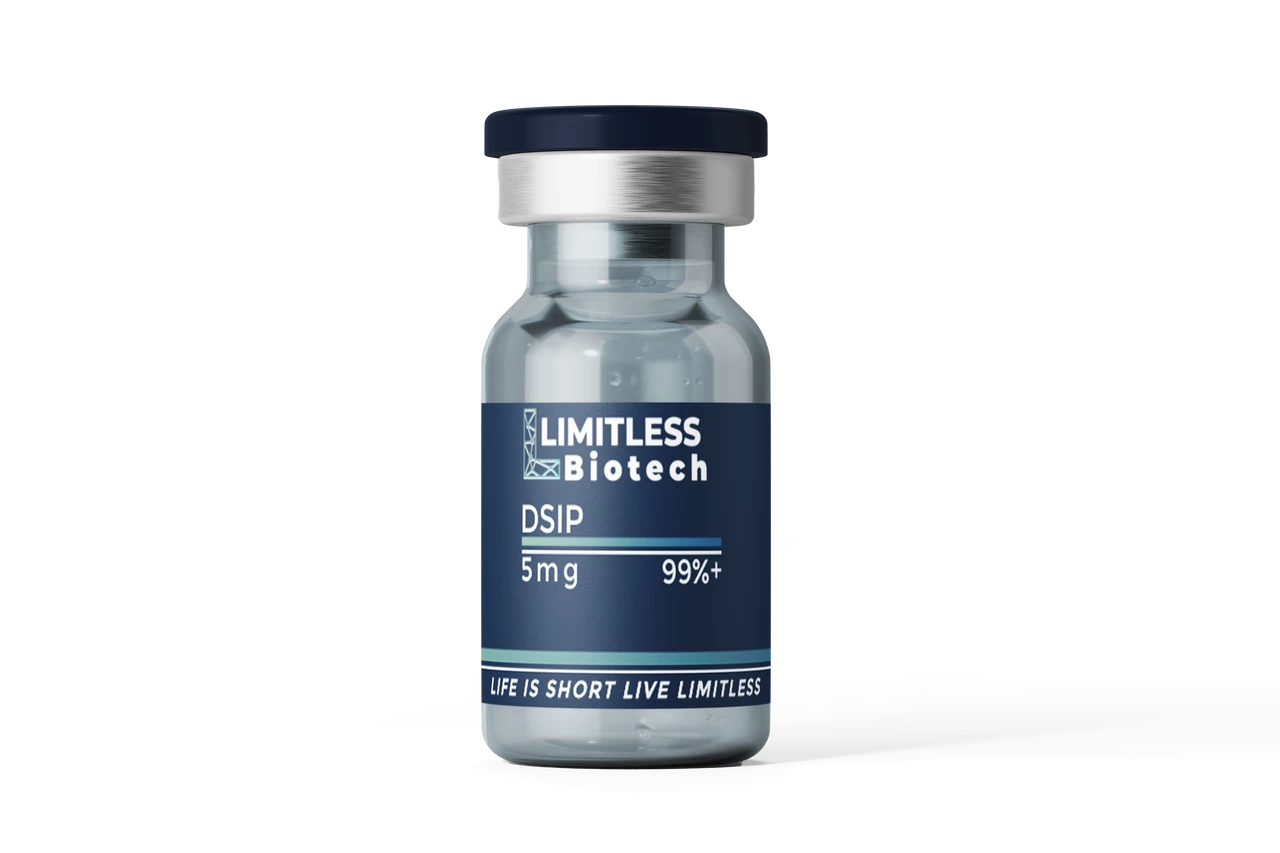


DSIP Delta Sleep-Inducing Peptide) It is one of the most recognised peptides in sleep-related and neurological research. Researchers and peptide science communities continue to explore this compound because of its association with sleep studies, stress-related investigations, and neurobiological research. As peptide science grows, DSIP Sleep-Inducing Peptide remains an important subject in advanced laboratory and peptide-related discussions. DSIP Delta Sleep-Inducing.
Known for its connection to sleep regulation models and neurochemical investigations, DSIP has gained strong attention among researchers focused on peptide innovation. Its growing popularity in modern peptide science has made it a frequently discussed compound in laboratory environments and research communities worldwide.
This guide explores the features, research interest, applications, and frequently asked questions related to DSIP Delta Sleep-Inducing Peptide.
What Is DSIP, the Delta Sleep-Inducing Peptide?
DSIP Delta Sleep-Inducing Peptide) It is a naturally occurring peptide first identified during studies involving sleep patterns and brain activity. Researchers have continued to examine this peptide because of its relationship to neurological pathways and sleep-related research models.
The peptide is commonly explored in laboratory settings involving:
- Sleep research
- Neurological investigations
- Stress-related studies
- Peptide science
- Neurochemical analysis
DSIP Sleep-Inducing Peptide has become increasingly recognised in peptide-related discussions because of its unique role in ongoing scientific exploration.
Key Features of DSIP Delta Sleep-Inducing Peptide
Widely Studied Research Peptide
DSIP is one of the more recognised peptides in neurological and sleep-related scientific research.
Associated With Sleep Research
Researchers often explore DSIP Sleep-Inducing Peptide in studies connected to sleep patterns and biological rhythms.
Growing Interest in Peptide Science
As peptide science continues to evolve, DSIP remains relevant in laboratory investigations involving neurochemical pathways and peptide interactions.
Stable Laboratory Compound
Under proper storage conditions, DSIP Sleep-Inducing Peptide is suitable for professional research handling and peptide analysis.
High Research Demand
The growing popularity of peptides has increased interest in compounds associated with neurological and recovery-related studies.
Why Researchers Study DSIP Delta Sleep-Inducing Peptide
The peptide research industry continues to expand rapidly. Researchers are increasingly focused on compounds connected to sleep, recovery, and neurological activity.
Interest in Sleep-Related Studies
Sleep science has become an important area of modern research. DSIP is frequently discussed because of its association with sleep investigations.
Neurological Research Applications
Researchers continue to explore peptides connected to brain-related pathways and neurochemical interactions.
Expanding Peptide Innovation
Modern peptide science continues to grow across multiple research categories, including neurological and stress-related investigations.
Strong Scientific Curiosity
DSIP Sleep-Inducing Peptide remains a topic of scientific interest because of its unique peptide profile and laboratory relevance.
Potential Research Areas for DSIP Delta Sleep-Inducing Peptide
Sleep Pattern Research
Researchers often investigate DSIP in laboratory studies focused on sleep cycles and biological rhythms.
Stress-Related Investigations
Some peptide-related studies examine connections between peptides and stress-response pathways.
Neurological Research Models
DSIP continues to attract interest in neurochemical and brain-related laboratory investigations.
Recovery and Relaxation Studies
Peptide science frequently explores compounds connected to rest, recovery, and biological balance.
Peptide Interaction Analysis
Laboratories may also study peptide stability and interaction behavior in controlled research environments.
Benefits of DSIP Delta Sleep-Inducing Peptide in Research
Popular in Peptide Science
DSIP is widely recognised among researchers involved in neurological and peptide-related studies.
Strong Laboratory Interest
The peptide continues to gain attention because of growing research involving sleep and recovery pathways.
Flexible Research Applications
Researchers may explore DSIP in multiple laboratory settings and peptide investigations.
High Recognition in Sleep Research
The peptide remains closely associated with sleep-related scientific discussions.
Important in Modern Peptide Exploration
DSIP Delta Sleep-Inducing Peptide continues to play a role in advancing peptide-focused laboratory research.
Proper Storage Guidelines for DSIP Delta Sleep-Inducing Peptide
Proper storage conditions are important for maintaining peptide stability and consistency.
Recommended Storage Tips
- Store in a cool, dry environment
- Protect from direct sunlight
- Keep tightly sealed when not in use
- Follow laboratory handling procedures
Refrigeration Recommendations
Many laboratories prefer refrigeration to help preserve peptide quality during long-term storage.
Avoid Moisture and Heat
Exposure to moisture and excessive heat may affect peptide consistency and handling quality.
How DSIP Sleep-Inducing Peptide Fits Into Modern Peptide Science
The peptide industry has expanded significantly in recent years. Researchers continue to investigate compounds associated with recovery, neurological balance, and peptide innovation.
DSIP Sleep-Inducing Peptide fits into several growing research areas, including:
- Sleep-related studies
- Neurological investigations
- Recovery-focused research
- Peptide science
- Neurochemical analysis
As interest in peptide-based research grows, DSIP remains highly relevant in scientific discussions.
The Growing Popularity of Sleep-Related Peptide Research
Modern lifestyles have increased scientific interest in sleep and recovery research. Researchers continue to study biological pathways connected to rest, stress, and neurological activity.
This growing attention has contributed to rising interest in peptides such as DSIP Sleep-Inducing Peptide. Several factors support this trend:
- Increased awareness of sleep science
- Expanding peptide research
- Growth in neurological investigations
- Interest in recovery-focused studies
- Innovation in peptide technologies
As peptide science evolves, sleep-related peptides are expected to remain important in laboratory research.
Understanding Peptide Research Quality
Researchers often prioritise:
- High purity standards
- Stable storage conditions
- Reliable sourcing
- Professional laboratory handling
- Consistent research materials
Quality standards are important for maintaining reliable and accurate research outcomes.
Frequently Asked Questions About DSIP Delta Sleep-Inducing Peptide
1. What is DSIP Sleep-Inducing Peptide?
DSIP is a peptide commonly studied in sleep-related and neurological research environments.
2. Why is DSIP Delta Sleep-Inducing Peptide, popular?
It is widely recognised because of its association with sleep science and peptide research.
3. What research areas involve DSIP?
Researchers often explore DSIP in sleep, neurological, stress-related, and recovery-focused investigations.
4. Is DSIP Delta Sleep-Inducing Peptide, used in laboratory research?
Yes. It is commonly studied in professional peptide research settings.
5. How should DSIP Delta Sleep-Inducing Peptide be stored?
Store it in a cool, dry place away from heat, moisture, and direct sunlight.
6. Why are peptides important in scientific research?
Peptides play important roles in biological and laboratory investigations involving cellular and neurological pathways.
7. Is DSIP associated with sleep-related studies?
Yes. The peptide is widely discussed in scientific research involving sleep patterns and biological rhythms.
8. What makes DSIP Delta Sleep-Inducing Peptide unique?
Its strong association with sleep and neurological research makes it highly interesting in peptide science.
9. Are sleep-related peptides becoming more popular?
Yes. Scientific interest in sleep-focused and recovery-related peptide research continues to grow.
10. Why do researchers study peptides like DSIP?
Researchers investigate peptides to better understand biological pathways and peptide-related interactions.
DSIP Delta Sleep-Inducing Peptide continues to hold a strong position in modern peptide science and sleep-related research discussions. Its connection to neurological studies, sleep investigations, and peptide innovation has made it a respected compound in laboratory environments worldwide.
As scientific interest in recovery, sleep quality, and peptide technology continues to grow, DSIP, Delta Sleep-Inducing Peptide, is expected to remain an important subject in advanced peptide research. Researchers continue to value its relevance in neurochemical investigations and modern peptide-focused exploration.
For laboratories and peptide research communities, DSIP remains a highly recognised compound connected to the future of sleep and neurological peptide science.


Cameron Jean –
Great product availability and fast dispatch.