
Advanced Research Peptide for Inflammation and Immune System Studies
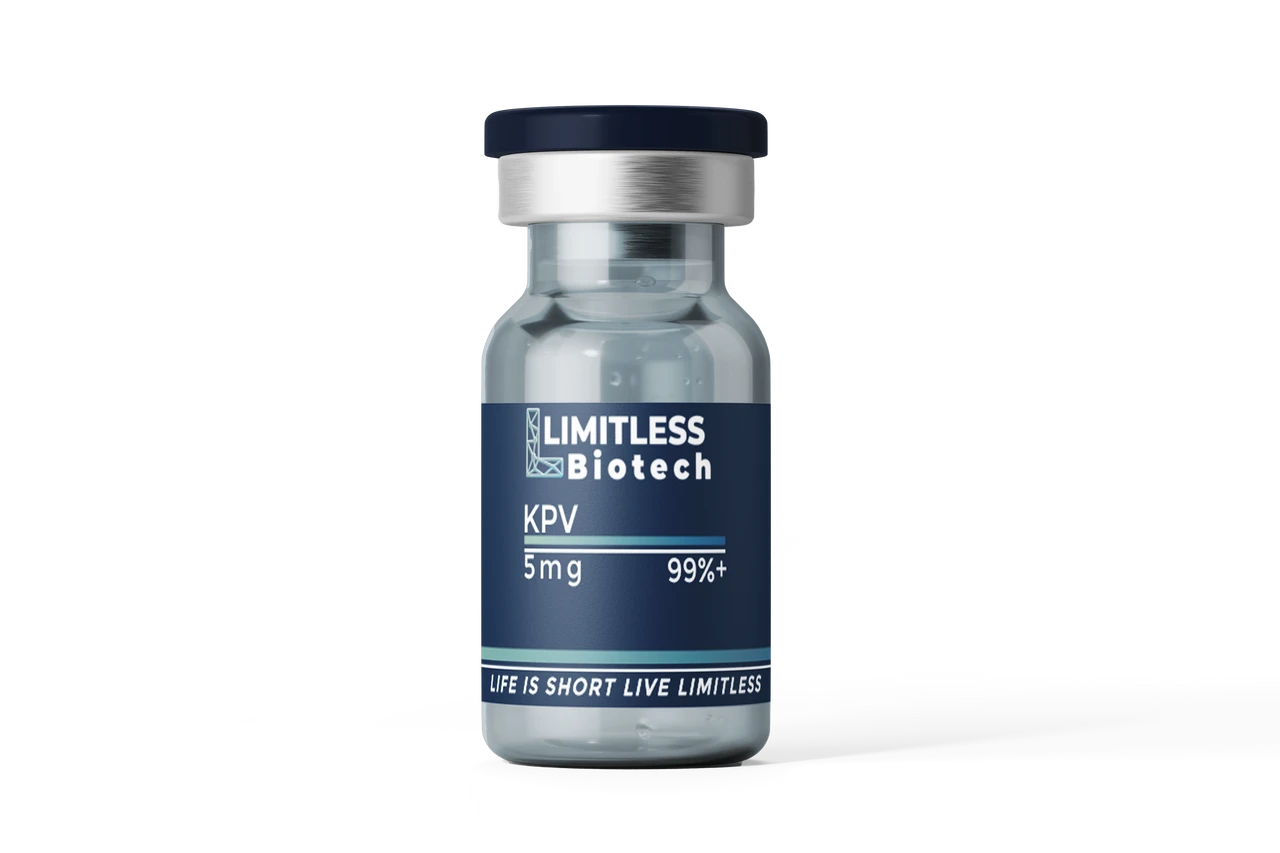
KPV is a tripeptide that has gained significant attention in peptide science and biological research communities. Known for its role in inflammation-related studies and immune system research models, KPV is widely explored in laboratory environments focused on cellular signalling, gut health pathways, and immune modulation research. Buy KPV Online.
As peptide science continues to expand, KPV remains one of the most studied short-chain peptides due to its simple structure and strong relevance in inflammation and biological response research. Scientists and researchers continue to investigate its behaviour in controlled laboratory settings to better understand peptide interactions in the human body. Buy KPV Online
This article provides a complete SEO-optimised guide to KPV, including its structure, research interest, applications, benefits in studies, and frequently asked questions.
What Is KPV?
KPV is a tripeptide composed of three amino acids: lysine (K), proline (P), and valine (V). It is derived from a larger peptide sequence known as alpha-melanocyte-stimulating hormone (α-MSH), which is involved in various biological processes.
In research environments, KPV is primarily studied for its role in:
- Inflammation-related pathways
- Immune system signaling
- Gut health and intestinal barrier studies
- Cellular response models
- Peptide interaction research
Due to its small size and biological relevance, KPV is considered an important peptide in modern biochemical and physiological research.
Key Features of KPV
Simple Peptide Structure
KPV is a short-chain tripeptide, making it easier for researchers to study compared to larger, more complex peptides.
Strong Interest in Inflammation Research
One of the main reasons KPV is widely studied is its connection to inflammation-related biological pathways.
Derived from Alpha-MSH
KPV originates from a naturally occurring peptide, making it highly relevant in physiological research models.
Versatile Laboratory Applications
Researchers use KPV in multiple areas of peptide science, including immune system studies and gut-related research.
Growing Scientific Recognition
KPV continues to gain attention as peptide science expands into more specialised biological research fields.
Why Researchers Study KPV
The increasing interest in peptide science has led to a rise in studies focused on small bioactive peptides like KPV. Its simple structure and biological relevance make it an important research compound.
Interest in Inflammation Pathways
Inflammation is a major area of study in modern biology. KPV is frequently examined in models that explore inflammatory signalling and response regulation.
Immune System Research
Researchers continue to investigate how peptides like KPV interact with immune system pathways in controlled environments.
Gut and Intestinal Studies
KPV is often included in research related to gastrointestinal function and intestinal barrier behaviour.
Expanding Peptide Science
Peptide research is one of the fastest-growing areas in biological science, and KPV plays a role in understanding short peptide activity.
Potential Research Applications of KPV
Inflammation Research Models
KPV is widely studied in inflammation-related laboratory models to understand biological response mechanisms.
Immune Response Studies
Researchers explore how KPV interacts with immune signalling pathways in controlled experimental settings.
Gastrointestinal Research
KPV is often included in studies involving gut lining behaviour and intestinal barrier function.
Cellular Communication Studies
Scientists investigate how KPV may influence cellular signalling pathways and biological responses.
Peptide Interaction Analysis
Due to its small size, KPV is used in studies focused on peptide absorption and interaction behaviour.
Benefits of KPV in Research
Simple Structure for Easy Study
As a tripeptide, KPV is easier to analyse compared to larger peptides.
Strong Relevance in Inflammation Research
KPV continues to be a key compound in inflammation-related scientific studies.
Important in Gut Health Studies
Researchers frequently include KPV in gastrointestinal research models.
Growing Scientific Demand
Interest in peptide science continues to drive demand for small, bioactive peptides like KPV.
Flexible Research Applications
KPV can be used across multiple biological and peptide research fields.
How KPV Fits Into Modern Peptide Science
Modern peptide research focuses on understanding how small amino acid sequences influence biological processes. KPV is an important part of this research because it represents a simple yet biologically relevant peptide fragment.
KPV is commonly associated with:
- Inflammation research
- Immune system studies
- Gut health models
- Cellular response analysis
- Peptide signalling research
As scientific tools become more advanced, peptides like KPV are increasingly valuable in understanding biological systems.
Importance of Inflammation Research
Inflammation plays a central role in many biological processes and disease models. Because of this, peptides like KPV are studied extensively in laboratory environments.
Researchers focus on:
- Inflammatory signalling pathways
- Immune system regulation
- Cellular stress responses
- Tissue interaction models
- Biological communication systems
KPV contributes to this research by serving as a model for studying peptide-based biological responses.
Storage Guidelines for KPV in Research Settings
Proper storage is essential to maintain peptide quality in laboratory environments.
Recommended Storage Conditions
- Store in a cool and dry place
- Keep away from direct sunlight
- Avoid moisture exposure
- Seal containers tightly after use
Laboratory Handling Practices
Researchers follow strict handling protocols to ensure peptide stability and consistency during experiments.
The Growing Role of Peptides in Science
Peptides are becoming increasingly important in modern biological research. Their ability to mimic natural biological processes makes them valuable tools in laboratory studies.
KPV is part of this growing scientific interest because:
- It is structurally simple
- It is biologically relevant
- It is widely studied in inflammation models
- It supports immune-related research
- It fits into modern peptide science trends
As research continues to evolve, peptides like KPV are expected to remain important in scientific discovery.
Future Outlook of KPV Research
The future of peptide science is expanding rapidly, with increasing focus on small peptides and their biological roles. KPV is expected to remain a key compound in inflammation and immune-related studies.
Future research trends include:
- Advanced inflammation pathway mapping
- Immune system peptide modelling
- Gut health and microbiome studies
- Cellular communication research
- Bioactive peptide interaction studies
As scientific understanding deepens, KPV will continue to play a role in peptide-based biological exploration.
Frequently Asked Questions About KPV
1. What is KPV?
KPV is a tripeptide composed of lysine, proline, and valine studied in biological and peptide research.
2. What is KPV used for in research?
It is commonly used in studies involving inflammation, immune response, and gut health pathways.
3. Where does KPV come from?
KPV is derived from alpha-melanocyte-stimulating hormone (α-MSH).
4. Why is KPV important in research?
It is important because it helps researchers study inflammation and immune system processes.
5. Is KPV a large or small peptide?
KPV is a small tripeptide, making it easier to study in laboratory settings.
6. What fields study KPV?
It is studied in immunology, biochemistry, peptide science, and gastrointestinal research.
7. Why are peptides like KPV studied?
They help researchers understand biological signalling and cellular responses.
8. How should KPV be stored?
It should be stored in a cool, dry place away from heat, light, and moisture.
9. Is KPV used in gut research?
Yes. It is often included in gastrointestinal and intestinal barrier studies.
10. Is KPV widely recognised in peptide science?
Yes. It is increasingly recognised in inflammation and immune-related research fields.
Final Thoughts on KPV
KPV is a highly relevant tripeptide in modern biological and peptide research. Its simplicity, combined with its strong connection to inflammation and immune system studies, makes it a valuable compound in laboratory environments. Buy KPV Online
As peptide science continues to expand, KPV remains an important tool for understanding biological pathways and cellular responses. Its role in inflammation research, gut health studies, and immune system modelling ensures its continued relevance in scientific exploration. Buy KPV Online
For researchers and scientific communities, KPV represents a key building block in the evolving field of peptide-based biological research.
| Weight | 5mg, 10mg |
|---|---|
| Grade | Premium |
1 review for KPV
Add a review
Related products
Bioregulators
Gastrointestinal Research
Peptides
Cellular Longevity Research
Ampoules
Gastrointestinal Research
Gastro Inflammation Research Formula (BPC-157, KPV, N-Acetyl Larazotide)
Peptide Capsules
Healing and Repair Research Blend (BPC-157, TB4 Frag 1-4, GHK-Cu)
Musculoskeletal Research
Cindy Anne –
Very happy with the service provided.